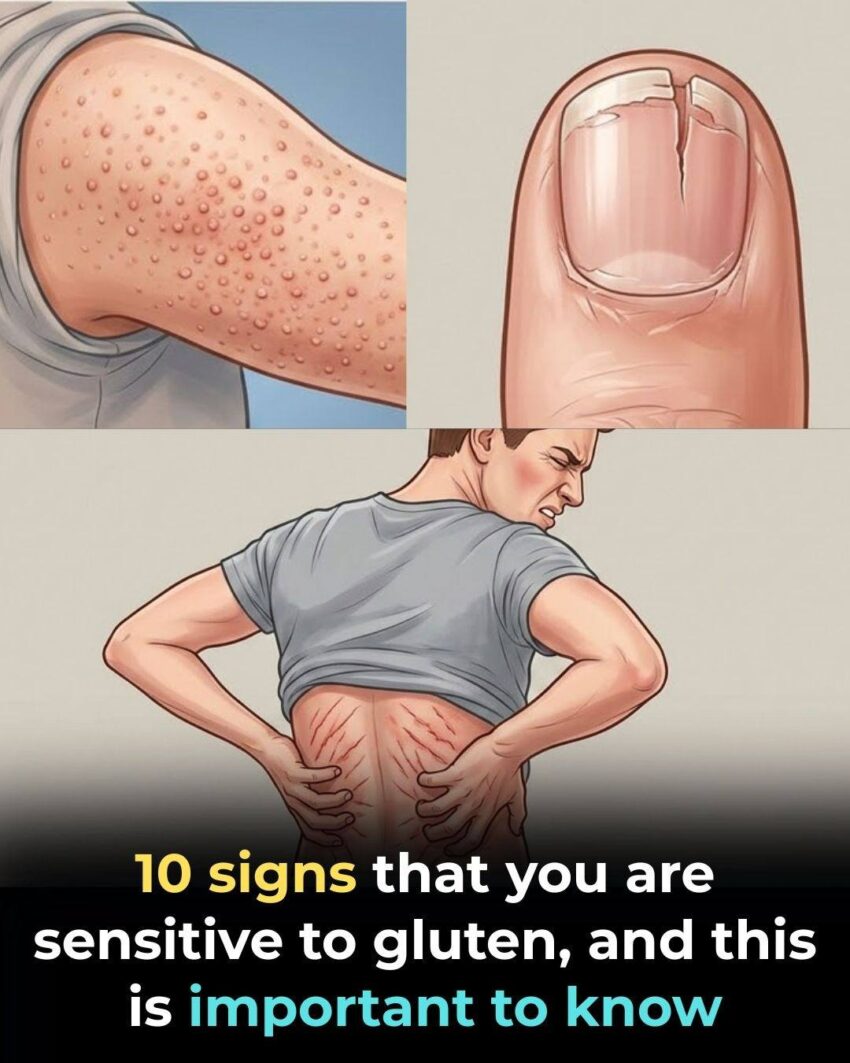
Warning Signs You May Be Sensitive to Gluten (…and When to Take It Seriously)
Think gluten might be causing your symptoms? Learn the warning signs of gluten sensitivity, how it differs from celiac disease, and when to seek help.
You eat a normal meal—toast, pasta, maybe a sandwich—and within hours something feels off.
Your stomach feels bloated. Your energy dips. Maybe your head feels foggy or your skin starts acting up.
It’s easy to dismiss these as random or unrelated.
But for many people, these recurring symptoms point to something deeper: a sensitivity to gluten.
Gluten-related issues are more common than most people realize in the United States. Yet they’re often misunderstood, misdiagnosed, or ignored until symptoms become disruptive.
This guide breaks it down clearly—what to watch for, what it might mean, and when it’s time to take it seriously.
What Is Gluten, Exactly?
Gluten is a protein found in grains like:
- Wheat
- Barley
- Rye
It gives bread its elasticity and chewy texture—but for some people, it can trigger unwanted reactions.
The Three Main Types of Gluten-Related Conditions
Understanding the difference matters.
1. Celiac disease
- An autoimmune condition
- Gluten damages the small intestine
- Requires strict, lifelong gluten avoidance
2. Non-celiac gluten sensitivity
- Symptoms occur without intestinal damage
- Less understood but increasingly recognized
- Symptoms improve when gluten is removed
3. Wheat allergy
- An allergic reaction to wheat proteins
- Can cause immediate immune responses
Why This Matters in the United States
In the U.S., gluten is everywhere:
- Bread, pasta, cereals
- Processed foods and sauces
- Restaurant meals and fast food
At the same time, awareness has increased—but so has confusion.
Some people eliminate gluten unnecessarily, while others ignore symptoms that deserve attention.
Finding the balance starts with understanding the warning signs.
Common Warning Signs of Gluten Sensitivity
Not everyone experiences the same symptoms—and they don’t always show up in obvious ways.
1. Persistent Bloating
Feeling uncomfortably full or swollen after eating gluten-containing foods is one of the most reported signs.
2. Digestive Issues
- Diarrhea or constipation
- Gas and abdominal discomfort
- Irregular bowel patterns
3. Brain Fog
Difficulty concentrating, forgetfulness, or mental fatigue—especially after meals.
4. Chronic Fatigue
Feeling tired even after adequate sleep may signal your body isn’t processing food efficiently.
5. Headaches or Migraines
Some people notice a clear link between gluten intake and headaches.
6. Joint or Muscle Pain
Inflammation triggered by sensitivity may lead to:
- Achy joints
- Stiffness
- General discomfort
7. Skin Issues
Conditions like:
- Rashes
- Acne flare-ups
- Itchy or irritated skin
In some cases, this may relate to Dermatitis herpetiformis.
8. Mood Changes
Gluten sensitivity has been linked to:
- Irritability
- Anxiety
- Low mood
9. Unexplained Weight Changes
Some people gain or lose weight without clear reason due to nutrient absorption issues.
10. Nutrient Deficiencies
Low levels of:
- Iron
- Vitamin B12
- Vitamin D
…can occur if the gut isn’t absorbing nutrients properly.
When Should You Take It Seriously?
Occasional discomfort isn’t unusual.
But you should pay closer attention if:
- Symptoms happen consistently after eating gluten
- Issues persist for weeks or months
- Symptoms affect your daily life
- You experience unexplained fatigue or weight loss
In these cases, it’s worth investigating further.
Why Self-Diagnosing Can Backfire
It’s tempting to simply cut out gluten and see what happens.
But here’s the catch:
If you remove gluten before testing, it can make conditions like Celiac disease harder to diagnose accurately.
That’s why experts recommend testing first, then adjusting your diet.
Organizations like Harvard Medical School emphasize proper diagnosis before long-term dietary changes.
Step-by-Step: What to Do If You Suspect Gluten Sensitivity
Step 1: Track Your Symptoms
Keep a simple food and symptom journal for 1–2 weeks.
Step 2: Consult a Healthcare Provider
Discuss your symptoms and request appropriate testing if needed.
Step 3: Get Tested (If Recommended)
Blood tests or other evaluations can help rule out serious conditions.
Step 4: Try a Guided Elimination Diet
If advised, remove gluten for a set period and monitor changes.
Step 5: Reintroduce Carefully
Reintroducing gluten helps confirm whether it’s truly the trigger.
Real-Life Scenario
A 45-year-old office worker struggled with:
- Daily bloating
- Brain fog
- Afternoon fatigue
After tracking meals, a pattern emerged: symptoms worsened after gluten-heavy lunches.
With medical guidance, she tested negative for celiac disease but improved significantly on a reduced-gluten diet.
The result?
- Better focus
- Improved energy
- Less digestive discomfort
Pros and Cons of Going Gluten-Free
Pros
- Relief from symptoms (if sensitive)
- Increased awareness of food choices
- Often leads to cleaner eating habits
Cons
- Can be restrictive
- Risk of nutrient deficiencies if poorly planned
- Gluten-free processed foods aren’t always healthier
Common Mistakes to Avoid
- Eliminating gluten without testing
- Assuming gluten is the only issue
- Relying on processed gluten-free foods
- Ignoring persistent symptoms
Expert Insight
Gluten sensitivity isn’t always straightforward.
Symptoms overlap with other conditions like:
- Irritable bowel issues
- Food intolerances
- Stress-related digestive problems
That’s why context and professional guidance matter.
2026 Trend: Personalized Nutrition
More Americans are shifting toward:
- Individualized diets
- Food sensitivity awareness
- Data-driven health decisions
Instead of following trends, people are asking:
“What works for my body?”
FAQs (People Also Ask Style)
1. How do I know if I’m gluten sensitive?
Track symptoms and consult a healthcare provider for proper evaluation.
2. Can gluten sensitivity develop later in life?
Yes, it can appear at any age.
3. Is gluten bad for everyone?
No—most people tolerate gluten without issues.
4. How long does it take to feel better after cutting gluten?
Some notice changes within days; others take weeks.
5. Can I test for gluten sensitivity at home?
At-home kits exist, but medical testing is more reliable.
6. Is gluten-free always healthier?
Not necessarily—some gluten-free products are highly processed.
7. Can gluten affect mental health?
Some people report mood changes, but causes vary.
8. What foods should I avoid?
Wheat, barley, rye, and foods containing them.
9. Should I avoid gluten permanently?
Only if medically necessary or clearly beneficial.
10. When should I see a doctor?
If symptoms are persistent, severe, or affecting your quality of life.
Action Checklist
- ✔ Monitor your symptoms
- ✔ Avoid self-diagnosing too quickly
- ✔ Seek professional guidance
- ✔ Test before eliminating gluten
- ✔ Focus on balanced nutrition
Gluten sensitivity isn’t always obvious—but your body often gives signals when something isn’t right.
The key is not to panic or jump to conclusions, but to pay attention, gather information, and act thoughtfully.
Because the goal isn’t just removing gluten.
It’s understanding your body well enough to support it properly.
If gluten is causing issues, you’ll likely notice patterns.
Listen to them.
Test when needed.
And make decisions based on clarity—not trends.
Have you noticed symptoms after eating gluten? Share your experience below—your story might help someone else connect the dots.