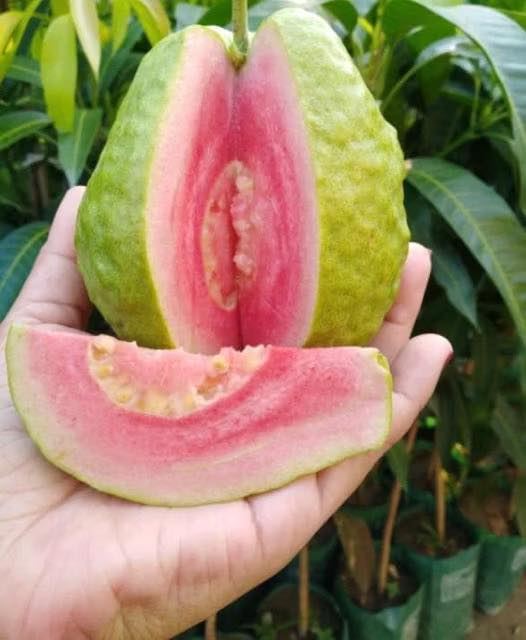
🌿 Doctors Reveal What Happens When You Drink Guava Leaf Tea Daily — Benefits, Risks, and What Science Actually Says
Discover what guava leaf tea may do for your body, according to research and expert insights. Benefits, risks, and safe daily use explained clearly.
🍃 The Viral Question Everyone Is Asking: “What Does Guava Leaf Tea Actually Do?”
Some health trends appear quietly… and others explode across social media, wellness blogs, and kitchen conversations overnight.
Guava leaf tea falls into the second category.
You’ve probably seen the claims:
- “Doctors recommend guava leaf tea for blood sugar control”
- “It helps digestion and weight loss”
- “It detoxes your body naturally”
And most recently, a more dramatic version:
“Doctors reveal that guava leaf tea causes…”
But here’s where things need clarity—not hype.
Because while guava leaf tea has been studied for several potential health benefits, it is not a miracle cure, and it certainly does not “transform your body overnight.”
What it does offer is more interesting: a plant-based drink with bioactive compounds that may support certain aspects of wellness when used responsibly.
This article breaks everything down in a grounded, science-informed way—so you know exactly what’s real, what’s overstated, and what actually matters for your health.
🧠 What Is Guava Leaf Tea?
Guava leaf tea is made by steeping the leaves of the guava tree (Psidium guajava) in hot water.
It has been traditionally used in parts of Asia, Africa, and Latin America for generations—not as a trendy drink, but as a household herbal remedy.
The leaves contain:
- Flavonoids
- Tannins
- Polyphenols
- Antioxidants
These compounds are the reason guava leaf tea is being studied in modern nutrition research today.
According to general findings referenced in public health discussions by organizations such as the National Institutes of Health, plant-based compounds like flavonoids may play a role in supporting metabolic and digestive health.
🇺🇸 Why Guava Leaf Tea Became Popular in the United States
In the U.S., wellness culture is shifting fast.
People are moving away from:
- Sugary drinks
- Artificial supplements
- Highly processed “detox” products
And toward:
- Herbal teas
- Natural digestion support
- Functional foods
Guava leaf tea fits perfectly into this trend because it feels:
- Natural
- Traditional
- Simple
- “Doctor-approved” (at least in viral claims)
But popularity doesn’t always equal scientific consensus.
So let’s separate marketing from evidence.
🔬 What Science Actually Suggests About Guava Leaf Tea
Research on guava leaves is still emerging, but here’s what studies have explored:
🍬 1. Blood Sugar Support (Preliminary Evidence)
Some small studies suggest guava leaf extracts may help:
- Slow carbohydrate absorption
- Reduce post-meal blood sugar spikes
This is why it often appears in discussions about metabolic wellness.
However:
👉 These findings are not a replacement for medical treatment
👉 More large-scale human studies are needed
🧠 2. Digestive Comfort
Traditionally, guava leaf tea has been used for:
- Mild diarrhea
- Stomach discomfort
- Gut inflammation
This is linked to its natural tannin content, which may have a soothing effect on the gut lining.
🛡️ 3. Antioxidant Properties
Guava leaves contain antioxidants that may help:
- Reduce oxidative stress
- Support cellular health
- Neutralize free radicals
Antioxidants are widely studied in nutrition science and are part of many plant-based diets.
🦷 4. Oral Health Support (Traditional Use)
In some cultures, guava leaves are used for:
- Gum health
- Mouth rinses
- Reducing oral bacteria
This is still considered traditional use rather than clinical treatment.
⚖️ Important Reality Check: What Guava Leaf Tea Does NOT Do
Let’s be very clear to avoid misinformation:
Guava leaf tea does NOT:
- Cure diabetes
- Burn fat directly
- Replace medication
- Detox your liver in a medical sense
- Treat diseases on its own
Any claim suggesting dramatic “overnight healing” is not supported by credible clinical evidence.
🧾 Possible Effects of Drinking Guava Leaf Tea
When consumed moderately, people may experience:
✔️ Potential Positive Effects
- Mild digestive comfort
- Feeling of fullness
- Reduced sugar cravings (indirect effect)
- Hydration support
⚠️ Possible Side Effects (In Some People)
- Mild constipation (due to tannins)
- Stomach sensitivity if overused
- Interaction with blood sugar medications
🧑⚕️ Who Should Be Careful?
Guava leaf tea is not for everyone.
Be cautious if you:
- Take diabetes medication
- Are pregnant or breastfeeding
- Have chronic digestive conditions
- Are on prescription drugs affecting blood sugar
Always consult a healthcare professional before adding herbal remedies regularly.
🍵 How to Make Guava Leaf Tea at Home
If you want to try it safely, here’s a simple method:
🌿 Ingredients
- 5–7 fresh guava leaves (or dried leaves)
- 2 cups water (480 ml / 16 oz)
🔥 Instructions
- Wash leaves thoroughly
- Boil water in a pot
- Add leaves and simmer for 5–10 minutes
- Strain and serve warm
Optional:
- Add lemon
- Add honey (lightly)
🧠 Expert Insight: Why Effects Vary From Person to Person
One reason guava leaf tea gets mixed reviews is biological variation.
Effects depend on:
- Diet
- Gut microbiome
- Existing health conditions
- Medication use
- Lifestyle habits
This is why no herbal tea works the same for everyone.
📊 Pros and Cons Overview
✔️ Pros
- Naturally derived plant drink
- Contains antioxidants
- May support digestion
- Low-calorie beverage option
❌ Cons
- Limited large-scale human studies
- Not a treatment for disease
- Possible digestive sensitivity
- Overhyped on social media
⚠️ Common Mistakes People Make
❌ Mistake 1: Drinking Too Much Daily
More is not better—excess may cause discomfort.
❌ Mistake 2: Expecting Rapid Weight Loss
No herbal tea burns fat directly.
❌ Mistake 3: Mixing With Medications Without Advice
Always check for interactions.
❌ Mistake 4: Believing Viral Claims
Social media often exaggerates benefits.
💡 Expert Tips for Safe Use
- Start with 1 cup per day
- Monitor how your body reacts
- Avoid drinking on an empty stomach if sensitive
- Use it as a supplement—not a solution
- Rotate with other herbal teas for balance
📈 2026 Wellness Trend: The Rise of Functional Herbal Teas
Health experts note a growing shift in the U.S. toward:
- Plant-based wellness drinks
- Low-sugar hydration habits
- Traditional herbal remedies backed by modern curiosity
Platforms like Harvard University have highlighted increasing interest in dietary patterns rich in plant compounds and whole-food-based nutrition.
Guava leaf tea fits into this broader movement—but should always be viewed as supportive, not therapeutic.
🔮 Future Outlook: Where Research Is Going
Researchers are currently exploring:
- Plant compounds and metabolic health
- Gut microbiome interactions
- Natural antioxidant pathways
- Herbal alternatives for wellness support
But strong clinical conclusions about guava leaf tea specifically are still developing.
🧪 Mini Real-Life Scenario
A 42-year-old office worker in California started drinking guava leaf tea after dinner.
After a few weeks, she noticed:
- Less bloating
- Reduced evening snacking
- A calming nightly routine
But she also combined it with:
- Improved diet
- More walking
- Reduced sugar intake
👉 The tea helped—but it wasn’t the only factor.
This is how herbal remedies typically work in real life: as part of a bigger lifestyle picture.
❓ FAQs (People Also Ask Style)
1. What does guava leaf tea do for your body?
It may support digestion and provide antioxidants, but effects vary.
2. Can guava leaf tea lower blood sugar?
Some early studies suggest possible benefits, but it is not a treatment.
3. Is it safe to drink every day?
Moderate use is generally considered safe for most people.
4. Does guava leaf tea help with weight loss?
Not directly. It may support habits, not cause fat loss.
5. Can I drink it on an empty stomach?
Some people can, but sensitive stomachs may react.
6. Are there side effects?
Possible mild digestive discomfort in some individuals.
7. Can pregnant women drink it?
Medical advice is recommended before use.
8. How long does it take to see effects?
There is no fixed timeline—if any, effects are gradual.
Guava leaf tea is best understood not as a miracle drink—but as a traditional herbal beverage with interesting bioactive compounds and early scientific curiosity behind it.
It may support digestion, hydration, and wellness habits, but it is not a cure, not a shortcut, and not a replacement for medical care.
The real value lies in how it fits into a balanced lifestyle—not in exaggerated claims.
Guava leaf tea may offer gentle wellness support due to its natural plant compounds, but scientific evidence is still emerging, and it should be used as a complementary habit—not a medical solution.
Have you tried guava leaf tea before? Did you notice any changes in your digestion or daily routine? Share your experience and help others understand what’s real beyond the hype 🌿✨