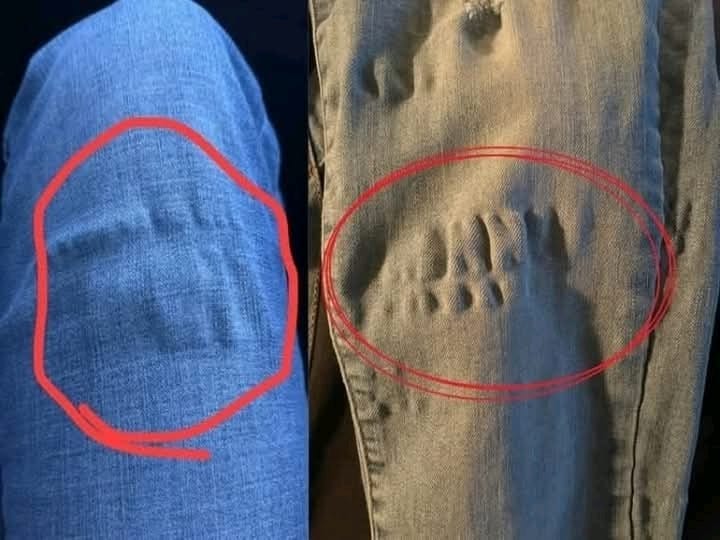
Why Do Jeans Get Weird Ripples After Washing? (And How to Fix Them for Good)
Discover why jeans develop ripples, puckering, or waves after washing, what causes it in denim fabric, and how to prevent and fix it effectively.
You Pull Your Jeans Out of the Wash… and Something Feels Off
You know that moment.
You open the washing machine, expecting your favorite jeans to look fresh and ready to wear. Instead, you notice something strange—wrinkled waves, twisted seams, or uneven ripples running across the fabric.
They don’t look ruined exactly… but they don’t look right either.
It’s frustrating because jeans are supposed to be durable. Yet somehow, washing them can change their shape in ways that feel permanent.
The good news? Those weird ripples are not random damage. They’re a predictable response of denim fabric to water, heat, and tension—and once you understand why it happens, you can actually prevent it.
Let’s break it down in a simple, practical way.
First, What Are These “Ripples” in Jeans?
Those wavy distortions you see after washing are often called:
- Fabric puckering
- Seam twisting
- Denim rippling
- Washing wrinkles
They usually appear around:
- Inner thighs
- Side seams
- Knees
- Hemline
- Pocket areas
In most cases, they are not permanent damage—but they can become more noticeable over time if care habits don’t change.
Why Jeans Are Especially Prone to Rippling
Denim isn’t like regular fabric.
It’s made from tightly woven cotton fibers (often in a twill structure), which gives it strength—but also makes it reactive to moisture and heat.
When jeans are washed, three things happen at once:
- Fibers absorb water and swell
- Fabric tension is released unevenly
- Heat from washing or drying reshapes the structure
This combination creates distortion.
Think of denim like a tightly stretched grid. Once that grid gets wet and relaxed, it doesn’t always return to its exact original position.
Main Reasons Jeans Develop Weird Ripples After Washing
Let’s go deeper into the real causes.
1. Uneven Fabric Shrinkage
This is one of the biggest reasons.
Different parts of denim shrink at slightly different rates depending on:
- Thickness of fabric
- Stitching tension
- Fabric weave direction
What happens:
Some areas tighten more than others, creating waves or puckers.
Where you notice it most:
- Around seams
- Near pockets
- Across thighs
2. Heat Damage From Drying
High heat is one of denim’s biggest enemies.
When jeans are:
- Tumble dried on high heat
- Left too long in a hot dryer
- Exposed to direct sunlight for extended periods
…the fibers contract unevenly.
This leads to:
- Permanent creases
- Fabric stiffness
- Visible rippling
3. Washing Machine Agitation
Modern washing machines are efficient—but aggressive.
During spin cycles:
- Jeans twist and fold tightly
- Seams are pulled in different directions
- Wet fabric is under mechanical stress
If jeans are washed with heavy items like towels or jackets, the twisting effect becomes worse.
4. Poor Quality or Loose Stitching
Not all jeans are made the same.
Lower-quality denim or loosely stitched seams can:
- Shift during washing
- Create uneven tension points
- Ripple more easily after drying
Even premium jeans can show this over time, but cheaper denim shows it faster.
5. Overloading the Washing Machine
When the drum is packed too tightly:
- Clothes cannot move freely
- Fabric folds become compressed
- Uneven pressure is applied
This leads to distortion patterns that stay after drying.
6. Incorrect Washing Cycle
Using the wrong settings can make a big difference.
Common mistakes:
- Hot water instead of cold
- High spin speed
- Heavy-duty cycle for delicate denim
Heat + agitation = ripple formation.
7. Skipping Proper Shaping Before Drying
When jeans are thrown into the dryer or hung without smoothing:
- Creases set in while wet
- Fabric dries in distorted positions
- Ripples become “locked in”
Wet denim behaves like clay—it holds whatever shape it dries in.
How to Prevent Jeans From Getting Ripples
The good news: this is highly preventable.
✔ Wash Jeans Inside Out
This reduces surface friction and protects outer fibers.
✔ Use Cold Water Only
Cold water minimizes shrinkage and fiber distortion.
✔ Choose Gentle Cycle
Less agitation = less twisting.
✔ Avoid Overloading the Machine
Give jeans space to move freely.
✔ Skip High Heat Drying
Instead:
- Air dry flat
- Or hang by the waistband
- Avoid direct sunlight for long periods
✔ Smooth Jeans Before Drying
While still damp:
- Pull seams straight
- Flatten wrinkles with hands
- Align legs properly
This step alone prevents many ripple issues.
How to Fix Jeans That Already Have Ripples
If your jeans already look distorted, don’t worry—there are ways to reduce it.
✔ Steam Them
Steam relaxes fibers and helps them reset shape.
✔ Light Ironing (Inside Out)
Use medium heat and steam setting if available.
✔ Damp Reshaping Method
- Lightly dampen jeans
- Lay them flat
- Pull fabric into shape
- Let air dry naturally
✔ Wash and Reset (Gentle Cycle Only)
Sometimes a controlled rewash can redistribute tension.
When Ripples Are Permanent
In some cases, especially with:
- High heat damage
- Low-quality denim
- Long-term wear distortion
…the ripples may not fully disappear.
But even then, they often soften over time with proper care.
Real-Life Example: Why This Happens More Than You Think
A common scenario in American households:
Someone buys a new pair of jeans, washes them normally with towels and shirts, then dries them on high heat.
The next day, the jeans look slightly twisted and uneven.
They assume it’s a defect—but in reality, it’s a combination of heat + agitation + fabric tension release.
The same jeans, washed gently, would likely maintain their original shape much longer.
Expert Insight: What Denim Care Specialists Emphasize
Fabric specialists and denim enthusiasts often agree on one key principle:
“Denim doesn’t like speed or heat—it prefers patience.”
Slow washing, low temperature, and air drying preserve structure far better than aggressive machine cycles.
Common Mistakes People Don’t Realize They’re Making
- Washing jeans after every wear unnecessarily
- Using fabric softener too often (can weaken fibers)
- Drying multiple heavy garments together
- Ignoring care labels
- Using hot water “for better cleaning”
Each of these contributes to long-term distortion.
Simple Routine for Perfect Denim Care
If you want a low-effort system:
- Wash jeans every 4–6 wears
- Cold water only
- Gentle cycle
- Air dry
- Smooth fabric before drying
That’s it—no complicated steps needed.
Frequently Asked Questions
1. Are ripples in jeans permanent?
Not always. Many can be reduced with steaming or reshaping.
2. Why do only some jeans get ripples?
It depends on fabric quality, stitching, and washing method.
3. Can I use a dryer at all?
Yes, but only low heat or air-dry settings.
4. Does expensive denim avoid this issue?
It resists it better, but is not immune.
5. Why do seams twist after washing?
Uneven tension release in fabric and stitching.
6. Can ironing fix ripples completely?
It can reduce them significantly but not always fully remove them.
7. Should I wash jeans inside out every time?
Yes—it helps preserve shape and color.
Those strange ripples after washing aren’t a sign your jeans are bad—they’re a sign your denim is real, natural, and responsive to water and heat.
Once you understand how fabric behaves, caring for jeans becomes much easier and far less frustrating.
A few small changes in washing habits can make a huge difference in how your jeans look and last over time.
Jeans develop ripples mainly due to heat, agitation, and uneven fabric shrinkage during washing and drying. With gentle care—cold water, low heat, and proper shaping—you can prevent and greatly reduce this issue.
If you found this helpful, share it with someone who keeps blaming their washing machine—because sometimes, it’s not the machine… it’s the method.