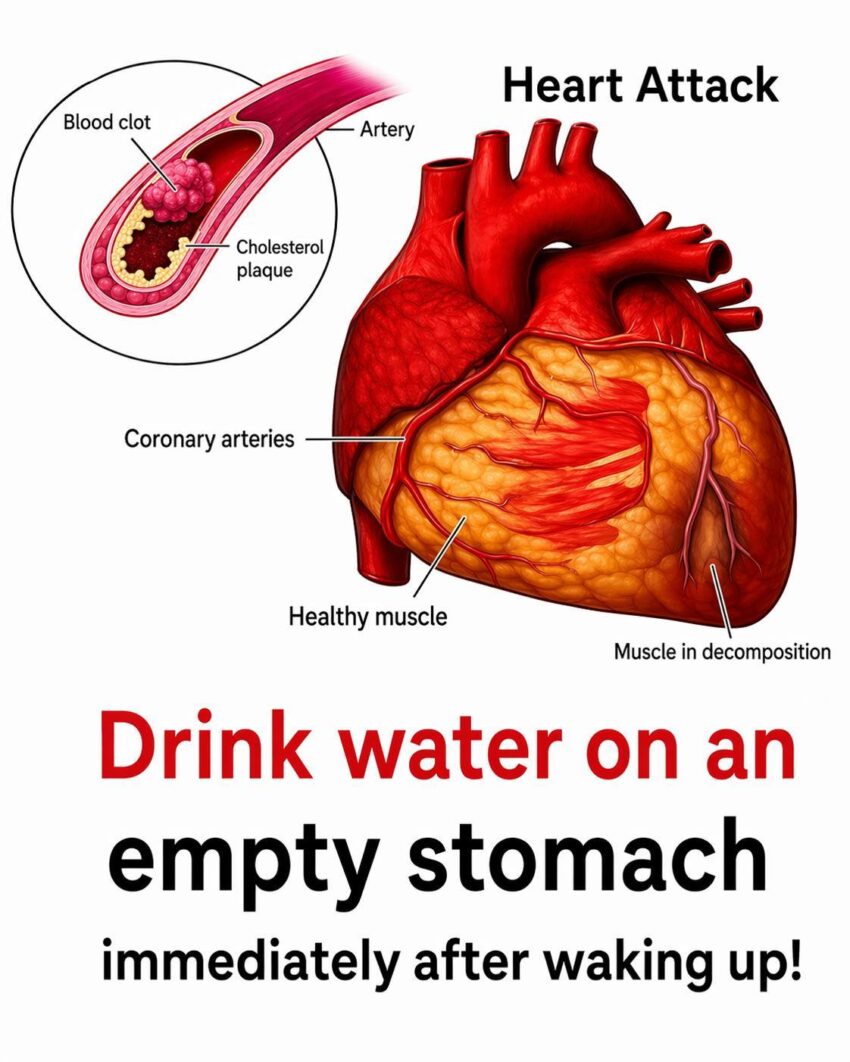
Did You Know That Drinking Water on an Empty Stomach Could Be a Powerful Daily Health Habit?
Drinking water on an empty stomach may support hydration, digestion, and metabolism. Learn the real benefits, myths, and best morning hydration habits.
A Simple Morning Habit Most People Overlook
Before coffee, before breakfast, before checking your phone—there’s one habit that quietly influences how your body starts the day:
Drinking water on an empty stomach.
It sounds almost too simple to matter. After all, how much difference can a glass of water really make?
But across wellness communities, nutrition research discussions, and everyday health routines in the United States, this habit continues to stand out—not as a miracle cure, but as a small, consistent practice that supports how the body naturally resets after sleep.
The key isn’t hype. It’s timing.
After 6–8 hours without fluids, your body wakes up in a mildly dehydrated state. What you do in those first few minutes can influence hydration, digestion, and energy levels for the rest of the morning.
What Actually Happens in Your Body Overnight
While you sleep, your body is far from inactive. It continues working to repair cells, regulate hormones, and maintain core functions.
During this time:
- You lose water through breathing
- You sweat lightly without noticing
- Your body continues metabolic processes
By morning, mild dehydration is normal.
That’s why many people wake up feeling:
- Slightly tired
- Dry-mouthed
- Sluggish
- Low on energy
Drinking water first thing helps replenish what was lost overnight and signals the body to shift into “active mode.”
Potential Benefits of Drinking Water on an Empty Stomach
Let’s break down what this habit may support when practiced consistently.
1. Helps Rehydrate the Body After Sleep
The most immediate benefit is hydration.
Even mild dehydration can affect:
- Focus
- Energy levels
- Mood
- Physical performance
A glass of water in the morning helps restore fluid balance quickly.
Think of it as restarting your system after hours of low intake.
2. May Support Natural Digestion
Many people report that drinking water before breakfast helps their digestive system feel more “awake.”
Water may help:
- Stimulate bowel movement
- Prepare the stomach for food
- Support smoother digestion throughout the morning
This is especially helpful for people who experience occasional sluggish digestion.
3. Can Support Metabolic Function
Water plays a role in nearly every metabolic process in the body.
Some studies suggest that drinking water may temporarily increase energy expenditure slightly as the body warms and processes it.
While it’s not a weight-loss solution on its own, it supports normal metabolic function as part of a healthy routine.
4. May Help With Morning Mental Clarity
Even slight dehydration can affect cognitive performance.
After drinking water, many people notice:
- Improved alertness
- Better concentration
- Reduced morning fog
This is not a stimulant effect like caffeine—it’s simply the brain functioning better when hydrated.
5. Supports Natural Detox Processes
Your body already has built-in detox systems, primarily through the liver and kidneys.
Water supports these processes by:
- Helping kidneys filter waste
- Supporting urine production
- Maintaining fluid balance
Drinking water in the morning helps kickstart this natural cycle.
Common Myths About Drinking Water on an Empty Stomach
Like many health habits, this one is surrounded by exaggerated claims online. Let’s clarify what’s true and what’s not.
Myth 1: It “detoxes” your body instantly
❌ Not exactly.
Your body detoxes itself continuously. Water supports this process but does not act as a magical cleanse.
Myth 2: It melts fat immediately
❌ False.
While hydration supports metabolism, water alone does not burn fat.
Myth 3: You must drink cold water for benefits
❌ Not necessary.
Room temperature or warm water works just as well for hydration and digestion.
Myth 4: More water equals better results
❌ Not true.
Overhydration can actually be harmful. Balance matters more than quantity.
How to Do It Properly (Simple Routine)
If you want to adopt this habit, it doesn’t need to be complicated.
Step-by-step morning routine:
- Wake up naturally
- Drink 1 glass (250–500 ml) of water
- Wait 10–20 minutes before breakfast
- Continue your normal morning routine
That’s it.
No supplements. No complicated detox drinks required.
Warm Water vs Cold Water: Does It Matter?
This is a common question in wellness discussions.
Cold water:
- Refreshing
- May feel more energizing
- Slightly slower digestion response
Warm water:
- Gentle on the stomach
- Often preferred for digestion comfort
- Common in traditional wellness practices
Bottom line:
Choose what feels comfortable for your body.
Who May Benefit the Most From This Habit
While nearly anyone can benefit from morning hydration, it may be especially helpful for:
- Older adults who experience mild dehydration
- People with low daily water intake
- Individuals with sluggish morning digestion
- Those who wake up feeling tired or foggy
Possible Downsides (When Overdone or Misused)
Even healthy habits need balance.
Be mindful of:
- Drinking excessive water too quickly
- Ignoring medical conditions that affect fluid balance
- Using it as a replacement for medical treatment
If you have kidney, heart, or electrolyte conditions, it’s always best to consult a healthcare provider before making major hydration changes.
Real-Life Scenario: Why This Small Habit Sticks
A common story shared in wellness communities goes like this:
Someone starts drinking a glass of water every morning—not expecting much. At first, it feels insignificant. But after a week or two, they notice they feel a bit more awake, digestion feels smoother, and morning fatigue is slightly reduced.
Nothing dramatic changes overnight.
But the consistency creates a subtle shift in how the body starts each day.
That’s the real power of this habit—it’s small, but repeatable.
Expert Perspective (What Nutrition Science Generally Agrees On)
Health professionals and registered dietitians often agree on one key point:
Hydration is foundational to health, but timing alone is not a cure-all.
Drinking water in the morning is beneficial because it helps restore fluid balance after sleep—not because it creates special metabolic effects.
In other words: it supports the body, it doesn’t “hack” it.
Simple Ways to Upgrade the Habit
If you already drink water in the morning, you can enhance the routine slightly:
- Add a slice of lemon for flavor (optional)
- Keep a glass or bottle near your bed
- Pair it with deep breathing or stretching
- Avoid rushing—drink slowly
Small adjustments can make the habit easier to maintain long-term.
Frequently Asked Questions
1. Should I drink water immediately after waking up?
Yes, but even within 10–15 minutes is fine.
2. How much water should I drink in the morning?
Typically 1 glass (250–500 ml) is enough.
3. Can I drink tea or coffee instead?
Caffeine can be dehydrating for some people, so water is preferred first.
4. Does lemon water offer extra benefits?
It adds flavor and vitamin C, but benefits are similar to plain water.
5. Is it safe for everyone?
Most people can safely adopt this habit, but medical conditions may require guidance.
6. Can it help with weight loss?
Indirectly, by supporting hydration and appetite regulation.
7. Warm or cold water—which is better?
Both are fine; choose based on comfort.
Drinking water on an empty stomach is not a trend, a detox trick, or a miracle solution.
It’s something simpler—and arguably more powerful than that.
It’s a consistent way to support your body at the exact moment it needs hydration the most: the start of the day.
No hype. No complexity. Just a small habit that quietly sets the tone for everything that follows.
Drinking water on an empty stomach helps rehydrate the body, supports digestion, and improves morning alertness. While it’s not a cure-all, it’s a simple and effective habit that can positively influence daily wellness when practiced consistently.
If this gave you a fresh perspective, share it with someone who starts their morning on autopilot—because sometimes, the simplest habits make the biggest difference.