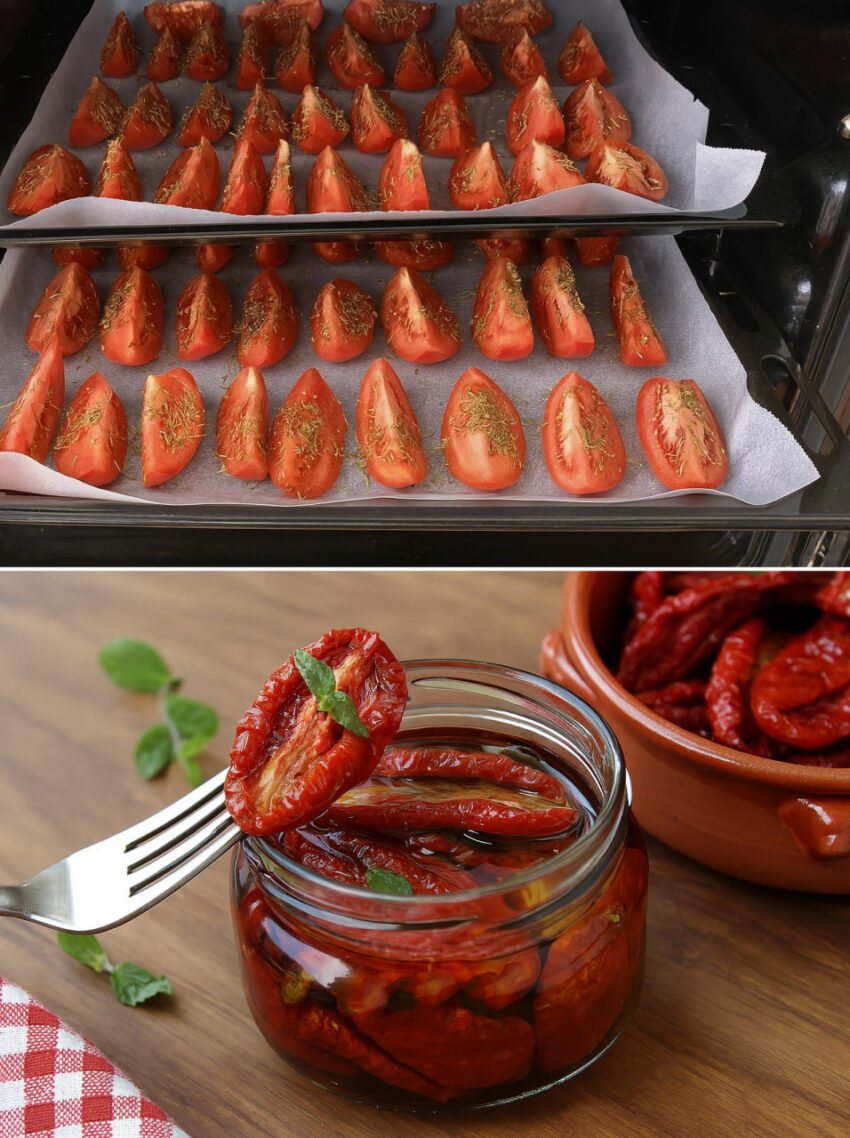
Prepare Tomatoes This Way and Keep Them All Winter 🍅❄️ — A Real Treat Without Vinegar or Water!
Learn how to preserve tomatoes for winter without vinegar or water. A simple, natural method that keeps flavor fresh for months.
When Summer Tomatoes Disappear Too Fast…
If you’ve ever bitten into a sun-ripened tomato in peak summer, you know the difference immediately.
Juicy. Sweet. Vibrant. Almost unreal compared to store-bought versions in winter.
And then winter arrives… and suddenly tomatoes taste flat, watery, and disappointing.
That’s why traditional food preservation methods have been passed down for generations. People didn’t just cook—they saved the taste of summer for colder months.
Today, we’re sharing a simple, old-fashioned method that helps you store tomatoes for winter without vinegar or water, while keeping their natural flavor as intact as possible.
This isn’t about shortcuts—it’s about preserving real taste.
Why This Method Works So Well
Tomatoes naturally contain:
- Acidity
- Natural sugars
- Water content
- Strong aromatic compounds
When preserved properly, these elements can be locked in instead of washed away.
Unlike methods that use vinegar or brine, this technique focuses on:
- Gentle heat processing
- Natural sealing
- Oil-based preservation
The result? Tomatoes that feel closer to fresh when you open them in winter.
🍅 Ingredients You’ll Need
- 2–3 kg ripe, firm tomatoes
- 2–3 tablespoons salt
- 4–5 garlic cloves (optional)
- 1–2 teaspoons sugar (balances acidity)
- Fresh basil or oregano (optional)
- Olive oil (enough to cover jars)
🫙 Step-by-Step Method (No Vinegar, No Water)
Step 1: Choose the Right Tomatoes
Pick tomatoes that are:
- Fully ripe
- Firm (not mushy)
- Free from cracks or bruises
👉 Overripe tomatoes will spoil faster.
Step 2: Clean and Dry Thoroughly
- Wash tomatoes gently
- Pat completely dry
💡 Moisture is the enemy of long-term storage.
Step 3: Lightly Roast or Blanch (Optional but Recommended)
You have two options:
Option A: Quick Blanching
- Dip tomatoes in hot water for 30–60 seconds
- Transfer to cold water
- Peel skin off easily
Option B: Light Oven Roast
- Roast at 180°C (350°F) for 10–15 minutes
- Helps intensify flavor
Step 4: Slice or Leave Whole
- Small tomatoes → keep whole
- Large tomatoes → cut into halves or quarters
Step 5: Season Lightly
In a clean bowl, mix tomatoes with:
- Salt
- Garlic
- Herbs
- A pinch of sugar
👉 This enhances natural flavor without overpowering it.
Step 6: Pack Into Sterilized Jars
- Place tomatoes tightly into glass jars
- Press gently to remove air pockets
Step 7: Cover Completely with Olive Oil
- Pour olive oil until tomatoes are fully submerged
- This creates a natural seal that blocks air
👉 This is the key to long storage without vinegar or water.
Step 8: Seal and Store
- Close jars tightly
- Store in a cool, dark place
Ideal storage conditions:
- Pantry
- Cellar
- Cool kitchen cabinet
❄️ How Long Do They Last?
If stored properly:
- 3 to 6 months in pantry
- Up to 8 months in cool storage
Once opened, refrigerate and consume within 7–10 days.
🧠 Why Olive Oil Makes the Difference
Olive oil acts as:
- A natural preservative
- An oxygen barrier
- A flavor enhancer
It prevents bacteria growth and keeps tomatoes rich and soft.
🍽️ How to Use Them in Winter
These preserved tomatoes are incredibly versatile:
- Pasta sauces 🍝
- Stews and soups 🍲
- Sandwich spreads 🥪
- Pizza toppings 🍕
- Egg dishes 🍳
Even the oil becomes flavorful and can be used for cooking.
Real-Life Scenario
Maria, 52, Italy-inspired home cook in New Jersey
- Always missed fresh garden tomatoes in winter
- Started preserving them using olive oil method
- Noticed stronger flavor retention compared to canned tomatoes
Now she uses them weekly for sauces and soups all winter long.
⚠️ Common Mistakes to Avoid
❌ Not drying tomatoes properly
Even small moisture can cause spoilage.
❌ Using low-quality oil
Use good olive oil for better preservation.
❌ Not sterilizing jars
Clean jars prevent bacterial growth.
❌ Storing in warm places
Heat reduces shelf life significantly.
🌿 Variations You Can Try
Spicy Version 🌶️
- Add chili flakes or sliced peppers
Herb-Infused Version 🌿
- Add rosemary, thyme, or basil
Garlic Lover’s Version 🧄
- Increase garlic for stronger flavor
🧾 Expert Insight (Simple Truth)
Food preservation experts agree:
- Oil-based preservation is one of the oldest safe methods
- Removing oxygen is key to long shelf life
- Proper hygiene is more important than additives
This method is traditional, simple, and effective when done correctly.
❓ Frequently Asked Questions
1. Can I really store tomatoes without vinegar or water?
Yes—oil-based preservation can work if done properly.
2. Do I need to refrigerate them?
Not until opened, if stored in a cool place.
3. Can I use any type of oil?
Olive oil is best due to flavor and stability.
4. Can I reuse the oil later?
Yes, it becomes flavorful and great for cooking.
5. Will the tomatoes stay firm?
They will soften slightly but retain strong flavor.
📋 Action Checklist
- Choose firm, ripe tomatoes
- Sterilize jars properly
- Dry ingredients completely
- Use quality olive oil
- Store in cool, dark place
- Label jars with date
With a simple jar, fresh tomatoes, and olive oil, you can preserve the taste of summer long into winter—without vinegar, water, or complicated methods.
It’s simple, natural, and incredibly rewarding when you open a jar months later.
There’s something special about opening preserved tomatoes in the middle of winter and tasting a reminder of summer’s warmth.
If you try this method, share your results or save it for later—you might just make it your new seasonal tradition.