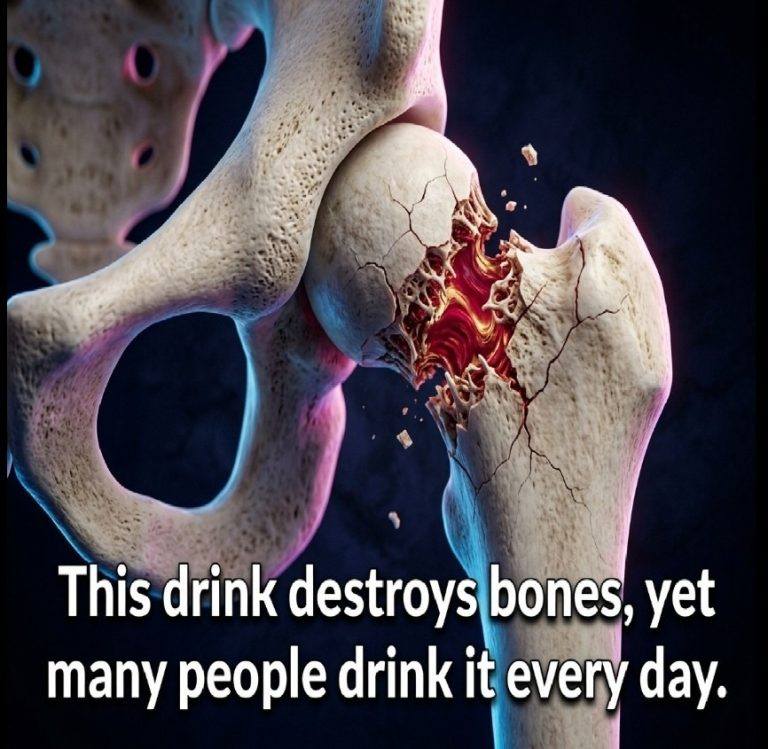
5 Drinks That Are Quietly Damaging Your Bones (According to Health Experts)
Worried about bone health? Discover the 5 drinks experts say can weaken bones and what to drink instead to stay strong.
That Daily Drink Habit You Never Questioned…
It starts small.
A soda with lunch.
Coffee to power through the afternoon.
A glass of wine to unwind.
None of it feels harmful. In fact, it feels normal—routine, even.
But here’s the uncomfortable truth:
some of the most common drinks in the American diet may be slowly weakening your bones over time.
And the effects don’t show up right away.
Bone loss is silent. Gradual. Easy to ignore—until it isn’t.
This guide breaks down the five drinks health experts consistently warn about, why they matter, and what you can do to protect your long-term bone strength.
Why Bone Health Matters More Than You Think
Bone density starts declining earlier than most people expect—often in your late 20s or 30s.
In the U.S., millions of adults are already at risk for conditions like osteoporosis, often without symptoms.
And while calcium and vitamin D get most of the attention, what you drink daily plays a bigger role than most people realize.
Certain beverages can:
- Interfere with calcium absorption
- Increase calcium loss
- Disrupt bone-building processes
- Replace healthier, nutrient-rich drinks
Let’s get into the biggest offenders.
1. Sugary Soda (Especially Cola)
Why It’s One of the Worst
Sugary sodas—especially dark colas—are consistently linked to lower bone density.
Here’s why:
- Contain phosphoric acid, which disrupts calcium balance
- High sugar content affects mineral metabolism
- Often replace calcium-rich drinks like milk
Research shows that higher consumption of sugar-sweetened beverages is associated with lower bone mineral density and increased fracture risk
What Happens in Your Body
When phosphorus levels rise without enough calcium:
- Your body pulls calcium from bones
- Bone strength gradually declines
- Risk of fractures increases
Key Insight
It’s not just the soda—it’s the combination of acid, sugar, and nutrient displacement that makes it harmful.
2. Excess Coffee (High Caffeine Intake)
The Hidden Problem
Coffee isn’t inherently bad—but too much caffeine can work against your bones.
How It Affects Bone Health
- Increases calcium loss through urine
- May reduce calcium absorption
- Linked to lower bone density in some studies
When It Becomes Risky
- Drinking 3–5+ cups daily
- Low calcium intake
- Skipping meals and relying on caffeine
Smart Approach
- Limit intake to moderate levels
- Add milk or fortified alternatives
- Avoid drinking coffee immediately after calcium-rich meals
3. Energy Drinks
Why Experts Are Concerned
Energy drinks combine multiple bone-harming factors:
- High caffeine
- High sugar or artificial sweeteners
- Acidic compounds
The Double Impact
They don’t just affect bones directly—they also:
- Disrupt sleep (affecting hormone balance)
- Increase calcium loss
- Promote poor dietary habits
The Bigger Issue
They’re often consumed quickly and in large quantities—making their impact stronger than typical beverages.
4. Alcohol (Frequent or Heavy Use)
The Reality Most People Ignore
Occasional drinking isn’t the issue.
But regular or heavy alcohol consumption can significantly weaken bones over time.
What Alcohol Does
- Interferes with calcium absorption
- Disrupts vitamin D metabolism
- Reduces bone formation
Long-Term Effect
Chronic use can lead to:
- Lower bone density
- Increased fracture risk
- Slower healing after injuries
5. Sweetened Fruit Juices & “Healthy” Drinks
The Misleading Health Halo
Many people assume fruit juice is always healthy.
But most store-bought options are:
- High in sugar
- Low in fiber
- Easy to overconsume
Why It Matters
High sugar intake can:
- Disrupt calcium balance
- Increase inflammation
- Negatively affect bone metabolism
Even drinks marketed as “natural” can behave similarly to soda when consumed in excess.
Quick Comparison Table
| Drink Type | Main Risk Factor | Bone Impact |
|---|---|---|
| Sugary Soda (Cola) | Phosphoric acid + sugar | High |
| Excess Coffee | Caffeine overload | Moderate |
| Energy Drinks | Caffeine + additives | High |
| Alcohol | Hormonal disruption | Moderate |
| Sweetened Juices | High sugar | Moderate |
What Most People Get Wrong
Even health-conscious people fall into these traps:
- “Diet soda is safe” → still contains acids and caffeine
- “Juice is always healthy” → often just sugar in disguise
- “Coffee doesn’t count” → caffeine still impacts calcium
- “I’ll just take supplements” → doesn’t fix poor habits
The truth is simple:
Small daily choices matter more than occasional indulgence.
Practical Ways to Protect Your Bones
1. Upgrade Your Daily Drinks
Focus on:
- Water (your best option)
- Milk or fortified plant milk
- Herbal teas
2. Follow the Balance Rule
- 80% bone-friendly drinks
- 20% flexibility
3. Pair Drinks With Nutrition
If you consume caffeine or alcohol:
- Increase calcium intake
- Get enough vitamin D
- Eat balanced meals
4. Watch Hidden Sugar
Check labels—even “healthy” drinks can be misleading.
Expert Insight Most People Don’t Know
- It’s not just what you drink—it’s what those drinks replace
- Bone loss often starts earlier than symptoms appear
- Hydration plays a bigger role in mineral balance than most people think
- Consistency matters more than perfection
Real-Life Scenario
David, 45, office worker
- Daily habit: soda at lunch, coffee throughout the day
- Symptoms: fatigue, early bone density concerns
After small changes:
- Replaced soda with sparkling water
- Reduced caffeine
- Added calcium-rich foods
Result after 6 months:
- Improved energy
- Better lab markers
- More stable long-term health outlook
Frequently Asked Questions
1. Are all carbonated drinks bad for bones?
No. Plain sparkling water isn’t linked to bone loss—colas are the main concern
2. How much caffeine is too much?
Generally over 400 mg daily—but less is better for bone health.
3. Is diet soda safer?
Not significantly. It still contains acids that may affect calcium balance.
4. Can I reverse bone damage?
You can improve bone health, but prevention is easier than reversal.
5. Is juice better than soda?
Only in moderation—too much sugar still harms bone health.
6. Does alcohol always damage bones?
Moderate intake is less risky, but frequent use can weaken bones.
7. What’s the best drink for bones?
Water, milk, and fortified beverages.
8. Do supplements fix the problem?
They help—but don’t replace good habits.
Action Checklist
- Cut back on soda (especially cola)
- Limit caffeine intake
- Reduce sugary drinks
- Monitor alcohol consumption
- Increase calcium-rich foods
- Stay hydrated with water
Your bones are constantly being rebuilt—and your daily habits determine how strong they stay.
What you drink every day might feel small.
But over time, it adds up in ways you can’t see—until you can.
You don’t need to give up everything you enjoy.
But being aware of what’s helping—or hurting—your body is where real change starts.
Start with one swap. Then another.
Because protecting your bones today means staying strong, mobile, and independent tomorrow.
If this opened your eyes, share it with someone who might need it—or drop a comment with the one drink you’re cutting back on first.