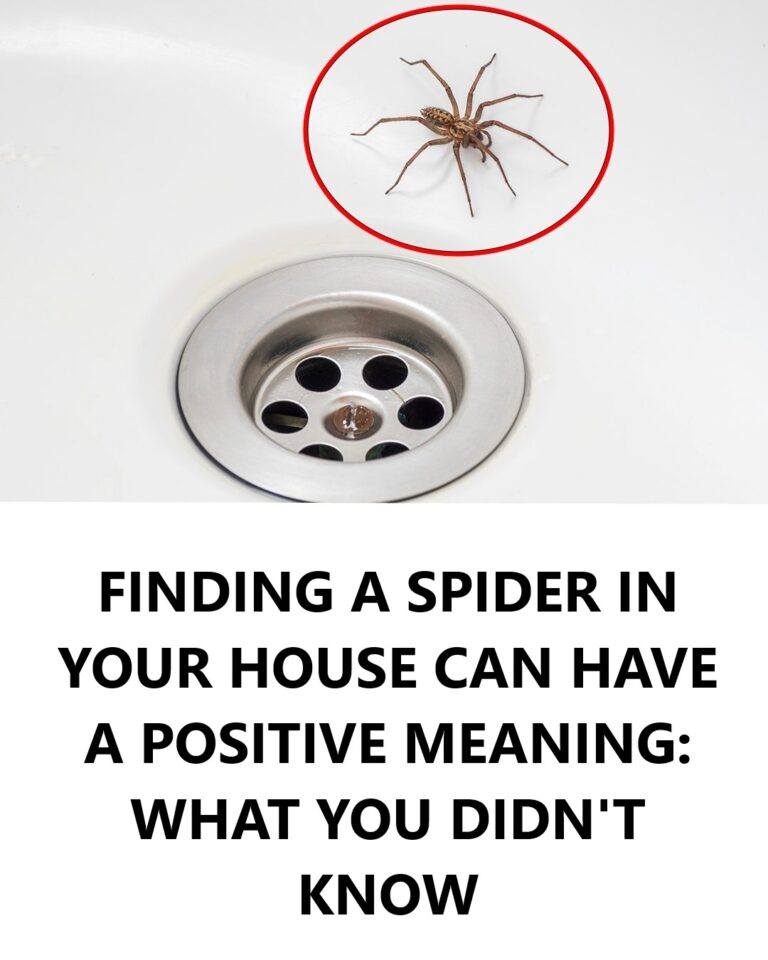
What Attracts Spiders to Your Home — and Why You Shouldn’t Kill Them (A Complete Guide for U.S. Homeowners)
Discover what attracts spiders to your home, why they appear indoors, and why most are helpful for your household ecosystem and pest control.
You’re walking through your living room at night. The lights are low. Everything feels calm — until you spot it.
A spider, quietly suspended in the corner, barely moving, as if it’s been there all along watching your home more than living in it.
For many people across the United States, this moment triggers an immediate reaction: fear, discomfort, or the instinct to grab something and remove it. It’s a deeply human response — spiders are often misunderstood and associated with danger, even though the vast majority are harmless.
But here’s something most homeowners never consider:
That spider didn’t randomly “invade” your home.
It was invited — by conditions already inside it.
And surprisingly, that tiny visitor might actually be doing you a favor.
This article breaks down exactly what attracts spiders to your home, why they appear more often in certain U.S. regions and seasons, and why killing them may not be the best response. You’ll also learn practical, research-backed ways to reduce spider presence naturally while maintaining a balanced, pest-free home environment.
Why Spider Activity Matters More in the United States Than You Think
In the U.S., spider encounters are incredibly common due to a mix of climate, housing structure, and seasonal insect patterns.
According to pest control research from organizations like the National Pest Management Association (NPMA), spiders are among the most frequently reported household arthropods across American homes — especially during late summer and fall.
Why?
Because homes unintentionally create the perfect ecosystem.
Key U.S.-specific factors include:
- Seasonal insect surges (especially flies and mosquitoes in summer)
- Warm indoor heating during fall and winter
- Suburban housing with attics, basements, and crawl spaces
- Natural landscaping close to homes
- Climate variation across states (humid South vs. dry West)
In short, your home isn’t just shelter for you — it’s shelter for everything that feeds on the environment around it.
And spiders? They’re simply following the food.
What Actually Attracts Spiders to Your Home
Spiders are not drawn to humans. They are not looking for food scraps or clutter like ants or rodents. Instead, they are driven by three core survival instincts:
- Food availability
- Shelter and safety
- Stable environmental conditions
Let’s break this down in real-world terms.
1. The Biggest Attraction: Other Insects
If your home has spiders, it almost always has other insects first.
Spiders are predators. Their presence means one thing:
👉 “There is food here.”
Common indoor insect attractants include:
- Fruit flies in kitchens
- Gnats near plants
- Mosquitoes from open doors or windows
- Cockroaches in hidden areas
- Moths in closets or storage areas
Even small, barely noticeable insect activity is enough to attract spiders indoors.
2. Cluttered or Undisturbed Spaces
Spiders prefer areas where they can build webs without disruption.
In many U.S. homes, this includes:
- Basements
- Garages
- Attics
- Storage rooms
- Behind furniture
- Closets
The more undisturbed the space, the more appealing it becomes.
This is why homeowners often “suddenly” notice spiders when cleaning after long periods — they were already there, just unnoticed.
3. Warm, Stable Indoor Temperatures
As seasons change in the U.S., especially during fall and winter, spiders move indoors seeking:
- Warmth
- Protection from weather
- Stable humidity
Homes provide all three.
This is why spider sightings often spike in September and October — a pattern widely documented by pest control professionals.
4. Outdoor Lighting Near Entry Points
A lesser-known factor: lights attract insects, which attract spiders.
If you have:
- Porch lights
- Garage lights
- Bright indoor lights near windows
You may unintentionally be creating a feeding zone right outside your home.
Spiders follow the buffet.
5. Cracks, Gaps, and Entry Points
Spiders don’t “break in.” They slip in.
Common entry points include:
- Door gaps
- Window frames
- Vents
- Utility pipe openings
- Foundation cracks
Even tiny openings are enough for smaller species.
6. Indoor Plants and Moisture Areas
Houseplants, bathrooms, and kitchens can create micro-environments spiders like:
- Moist soil attracts gnats
- Bathrooms provide humidity
- Kitchens offer insect activity
Where insects go, spiders follow.
Why You Should Think Twice Before Killing Spiders
This is where most people are surprised.
While the instinct is to eliminate spiders immediately, most common household spiders in the U.S. are actually beneficial.
Here’s why.
1. They Are Natural Pest Control
Spiders consume:
- Flies
- Mosquitoes
- Gnats
- Ants
- Cockroach nymphs
In many homes, they act as free pest control agents.
A single spider can reduce multiple nuisance insects over time.
2. Most House Spiders Are Harmless
The vast majority of spiders found indoors in the U.S. are:
- Not aggressive
- Not medically dangerous
- More afraid of humans than vice versa
Species like cellar spiders and common house spiders prefer to avoid contact entirely.
3. They Reduce Chemical Pesticide Use
By naturally controlling insects, spiders reduce the need for:
- Chemical sprays
- Foggers
- Indoor pesticides
This supports a healthier indoor environment.
4. They Indicate an Ecosystem Balance
Spiders appearing indoors often signal:
- You may have other insect issues
- Your home environment is biologically active
- There may be moisture or food sources attracting pests
They are not the problem — they are a signal.
When Spiders Can Become a Concern
While most spiders are harmless, there are exceptions depending on region.
In certain parts of the U.S., such as the South and Southwest, homeowners may encounter species like:
- Black widow spiders
- Brown recluse spiders (rare indoors but notable)
These species require caution, especially if you have children or pets.
If you are unsure about identification, pest control professionals or local extension services can provide guidance.
Common Mistakes Homeowners Make
1. Overusing chemical sprays
This often kills beneficial insects and disrupts indoor balance.
2. Ignoring underlying insect problems
Spiders rarely appear alone — insects are usually present first.
3. Sealing homes without inspection
This can trap insects inside rather than prevent entry.
4. Removing spiders without addressing attractants
The root cause remains, so spiders return.
How to Naturally Reduce Spiders Without Harsh Chemicals
If you prefer fewer spiders indoors, focus on prevention rather than elimination.
Practical strategies:
- Reduce indoor insect activity
- Keep food sealed and counters clean
- Use yellow or warm-toned outdoor lighting
- Seal cracks and gaps around doors/windows
- Vacuum corners, basements, and storage areas regularly
- Control moisture in bathrooms and kitchens
- Trim vegetation near exterior walls
These steps address the real attraction factors rather than the spiders themselves.
Real-Life Scenario: A Common U.S. Home Experience
A homeowner in Ohio noticed increasing spider webs in their basement every fall. Initially, they used sprays weekly with little success.
After inspection, they discovered:
- Small drain flies near a sink
- Moist cardboard storage boxes
- Outdoor lights attracting insects near a basement window
Once they:
- Reduced moisture
- Improved sealing
- Addressed the drain flies
Spider activity dropped significantly — without targeting spiders directly.
Pros and Cons of Having Spiders Indoors
Pros
- Natural insect control
- Reduced pesticide use
- Minimal maintenance required
- Indicator of insect activity
Cons
- Webs in visible areas
- Psychological discomfort for some individuals
- Occasional fear or anxiety responses
Balanced understanding is key — not panic-driven removal.
Expert Tips Most Homeowners Don’t Know
- Spiders rarely stay in heavily disturbed areas
- A single spider doesn’t mean infestation
- Web presence is more important than spider sightings
- Seasonal spikes are normal in U.S. homes
- Reducing insects automatically reduces spiders
Future Outlook: Why Spider Encounters May Increase
With changing climate patterns and urban expansion in the U.S., pest behavior is shifting:
- Warmer winters extend insect activity
- Urban lighting increases insect attraction
- Suburban sprawl increases edge habitats
This means spiders may become even more common indoors — not because homes are “dirty,” but because ecosystems are shifting.
FAQs (People Also Ask)
Why do I suddenly have spiders in my house?
Seasonal changes and indoor insect activity often drive them inside.
Do spiders mean my house is dirty?
No. Spiders indicate insect presence, not cleanliness.
What attracts spiders the most?
Other insects are the primary attraction.
Are house spiders dangerous?
Most common U.S. house spiders are harmless.
Should I kill spiders in my home?
Not necessarily — many help control pests naturally.
How do I get rid of spiders naturally?
Reduce insects, seal entry points, and clean undisturbed areas.
Why do spiders come out in fall?
They move indoors seeking warmth and food sources.
Do spiders come back after you kill them?
Yes, because the underlying attraction factors remain.
Can spiders help my home?
Yes — they reduce other insect populations.
Spiders often get a bad reputation, but in reality, they are quiet contributors to your home’s natural balance. They don’t appear randomly, and they certainly aren’t targeting you. They are simply following food, shelter, and survival — just like any other living organism.
When you understand what attracts them, the fear often shifts into awareness. And with awareness comes control — not through elimination, but through balance.
Instead of reacting with panic, you now have the knowledge to respond with clarity: address the environment, not just the spider.
Spiders in your home are not a sign of danger — they are a sign of an ecosystem at work. By understanding what attracts them and managing the real causes, you can create a cleaner, more balanced living space without unnecessary fear or chemical use.If this helped you see spiders differently, share your thoughts below, pass it along to someone who struggles with spider anxiety, or explore more home environment guides.